Bouncy castles are the heart of children's parties, school fetes, and community events. However, with the UK's unpredictable weather and strict safety regulations, ensuring children's safety is the top priority for every parent and event organizer. As your local partner here in the UK, East Inflatables UK has created this essential safety guide based on British safety standards (BS EN 14960) and our understanding of the unique local climate.
1. Location is Everything: Avoiding Hidden UK Hazards
Finding a perfectly flat site in the UK can be tricky, but it is the foundation of safe operation.
Check the Ground: Ensure the area is absolutely level. Even a slight slope can cause the unit to tip over. Clear the space of stones, sticks, or any sharp objects that could wear down or puncture the castle. 【Our units are made from heavy-duty “0.55mm commercial-grade PVC”, which offers excellent puncture resistance, but prolonged exposure to sharp debris will eventually damage even the toughest materials.】
Watch for Overhead Hazards: Many UK parties are held in parks or village greens. Always check for “low-hanging tree branches, power lines, or building eaves” above the site. In windy conditions, the castle's movement could cause collisions with these objects.
Maintain a Safety Zone: Keep a clear area of at least 2 meters around the entire unit. Ensure it is away from fences, lampposts, tables, or chairs to prevent injuries if children bounce out.
2. The Ultimate Test: Mastering the UK Weather
Britain's changeable weather is the biggest natural challenge for inflatables.
The Wind Rule (Critical!): According to UK safety guidelines, you must “stop use and deflate the unit immediately if wind speeds reach 24 mph (38 km/h)” , which is a strong breeze. This is when dust and loose paper start to lift. “Always use an anemometer” – never rely on guesswork.
The Rain Risk: Light rain makes the surfaces slippery. If it starts to rain, clear the castle immediately. 【While our “0.55mm PVC material has a textured, slip-resistant surface and is completely waterproof”, rain alters the surface friction, making falls much more likely.】
Sun Awareness: Though not a daily concern in the UK, UV rays can be strong on a clear day. 【Our products include “UV protection in the material” to prevent fading and degradation over time.】 However, prolonged direct sun can still heat the surface. Consider a shade cover nearby or remind parents to apply sunscreen to their children.
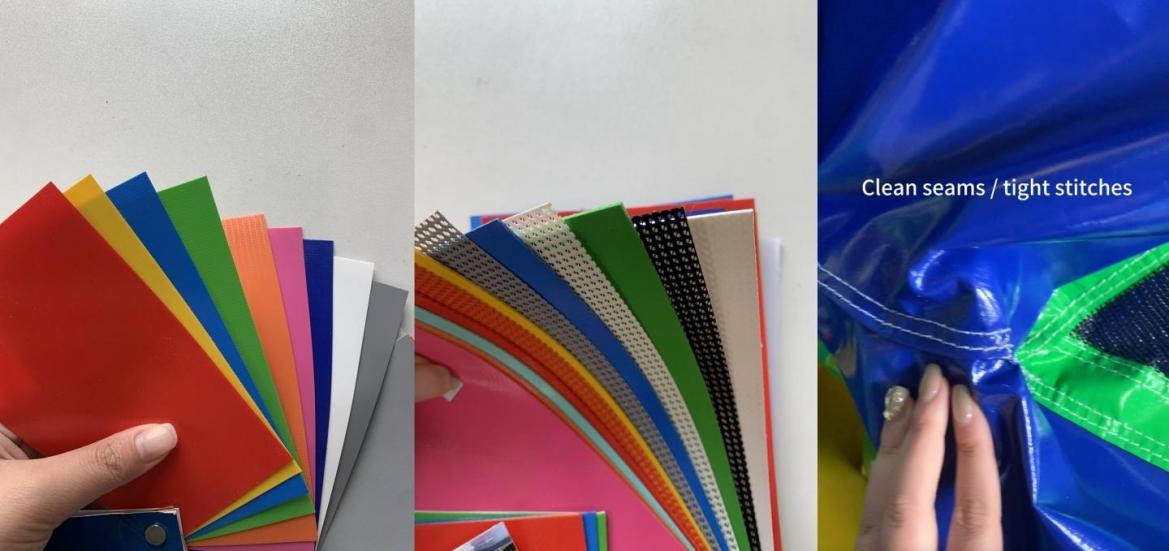
Fig1: Commercial-grade PVC material and multiple stitching
3. Anchoring: Your Only Defence Against the Wind
In the UK, relying on sandbags alone is rarely enough.
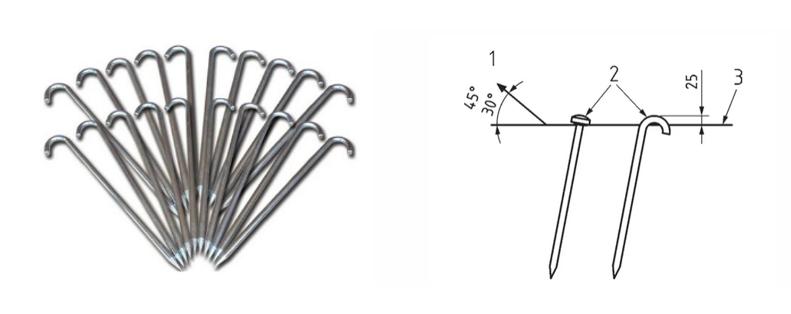
Use the Correct Anchors: On grass, you must use “45cm (18-inch) screw-in ground anchors”, driven into the turf between 30 and 45 degrees angle. They must only have 25mm exposed above ground level. On hard surfaces (like school playgrounds or village halls), you must use weighted sandbags or water ballasts, with “at least 25kg of weight per anchor point.”
Inspect Every Point: Before each use, double-check that every anchor point is secure and that none have worked loose.
4. Supervision & Safe Play Rules
Even the best equipment is useless without a responsible person in charge.
Constant Adult Supervision: A responsible, trained adult must supervise the inflatable at all times. Never leave children unattended.
Follow Age & Capacity Limits:
- Strictly adhere to the “maximum user capacity” stated on the unit. Overloading is the primary cause of seam failure and structural collapse. 【Even with our “0.55mm reinforced PVC and high-tenacity stitching”, overloading creates irreversible stress and fatigue on the material.】
- Avoid mixing children of vastly different ages (e.g., 3-year-olds with 10-year-olds). Boisterous older children can easily injure smaller ones.
Ban Risky Behaviour: Clearly prohibit somersaults, wrestling, leaning on, or climbing the walls. Ensure all children enter and exit through the designated entrance.
5. Daily Checks & Maintenance
Pre-Use Inspection: Before inflating, quickly check that the blower is functioning, the power cable is undamaged (remembering the UK's 240V standard), and the base is free of moisture or debris.
Regular Deep Cleaning: The UK's damp climate can encourage mold growth. Clean the surface regularly with mild soapy water and ensure the unit is “thoroughly dried” before packing it away for storage.
Safety isn't an accident; it's the result of paying attention to every single detail. At “East Inflatables UK”, we believe the material is the first line of defense. That's why we insist on using “0.55mm commercial-grade PVC” – it's thicker, more tear-resistant, and better equipped to handle the challenges of the UK climate than the more common 0.4mm or 0.45mm materials.
Just as importantly, every single one of our inflatables is certified to “BS EN 14960 (the British Standard for Inflatable Play Equipment)” . This means every aspect – from the material's fire resistance and seam strength to its overall structural stability – has passed rigorous independent testing.
When you choose us, you're not just buying an inflatable. You're getting a safety partnership backed by a team working across the UK and China. If you have any questions about safe operation or would like to explore our range of certified products, please contact us today.
Related Products